Signing with a 3PL can transform a business. Or it can cripple it for years.
In Quebec, the options are plentiful. Between Montreal, the South Shore, Laval, the Montérégie region, and Quebec City, warehouses are multiplying. They all promise flexibility, efficiency, and personalized service. On paper, they all perform well.
The reality is revealed after the contract is signed.
I’ve seen companies save hundreds of thousands of dollars thanks to a good logistics partner. I’ve seen others lose control of their inventory, deteriorate their customer service, and skyrocket their costs… simply because they didn’t ask the right questions from the start.
A 3PL isn’t just a storage space. It’s a direct extension of your business.
Before signing, you need to understand how they actually operate.
First, you need to dig into the cost structure. The rate per pallet alone is meaningless. What hurts are the costs of receiving, order preparation, labeling, repalletizing, long-term storage, monthly minimums, and administrative fees. A contract may seem competitive… until volumes fluctuate.
You also need to understand the actual capacity. Not just physical capacity, but operational capacity. How many deliveries per day can they handle? How many orders can they prepare during peak periods? Have they ever managed a client in your industry? The food industry, for example, has very different requirements than the manufacturing sector.
The systems issue is critical. Do they have a robust WMS? Do they offer real-time inventory visibility? Are the integrations with your ERP or sales system simple or complex? A 3PL without reliable data quickly becomes a black box.
You also need to talk about customer service. Who will be your point of contact? A dedicated person or a generic email address? In case of a shipping error, what is the response time? How are inventory discrepancies handled? A service-oriented culture is often more important than technology.
Managing seasonal peaks is another key indicator. Many warehouses operate well at a stable volume. Few perform under pressure. Ask for concrete examples. How did they handle the last Black Friday? The peak summer season? A sudden 30% increase in volume?
Compliance should never be assumed. Food certifications, sanitation standards, liability insurance, product recall procedures, temperature control, allergen management—if your industry is regulated, your 3PL must be too.
Location is strategic. Being near the Port of Montreal isn’t the same as being close to your major customers or highways. Transportation costs can negate warehousing savings if geographic positioning is poorly considered.
Contract flexibility deserves careful attention. What is the minimum term? Are there exit penalties? How are rates adjusted in the event of a decrease or increase in volume? A good partnership is based on a balanced relationship, not a rigid contract.
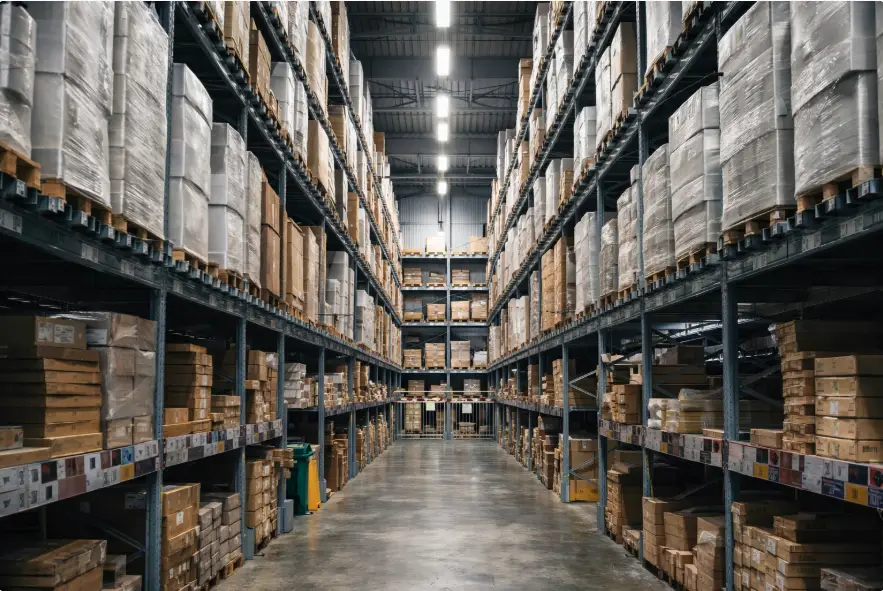
It’s also essential to understand the operational culture. Is the warehouse organized? Clean? Structured? Do the employees seem trained and engaged? An on-site visit often reveals more than any PowerPoint presentation.
Finally, you need to talk about growth. Your business will grow. Will your 3PL be able to keep up? Add zones? Manage more SKUs? Offer co-packing? Integrate new channels like B2C or export?
Choosing a 3PL isn’t about buying space. It’s about choosing a strategic partner.
In Quebec, in a context of labor shortages, cost pressures, and increasingly demanding customers, the right warehouse can become a major competitive advantage. The wrong one can weaken the entire supply chain. A contract can be signed in minutes.
A poor logistical decision can cost you years.
Before committing, take the time to ask the right questions. Your future customer service—and your profitability—depend on it.